Polygon Annotation
When a rectangle is too blunt an instrument
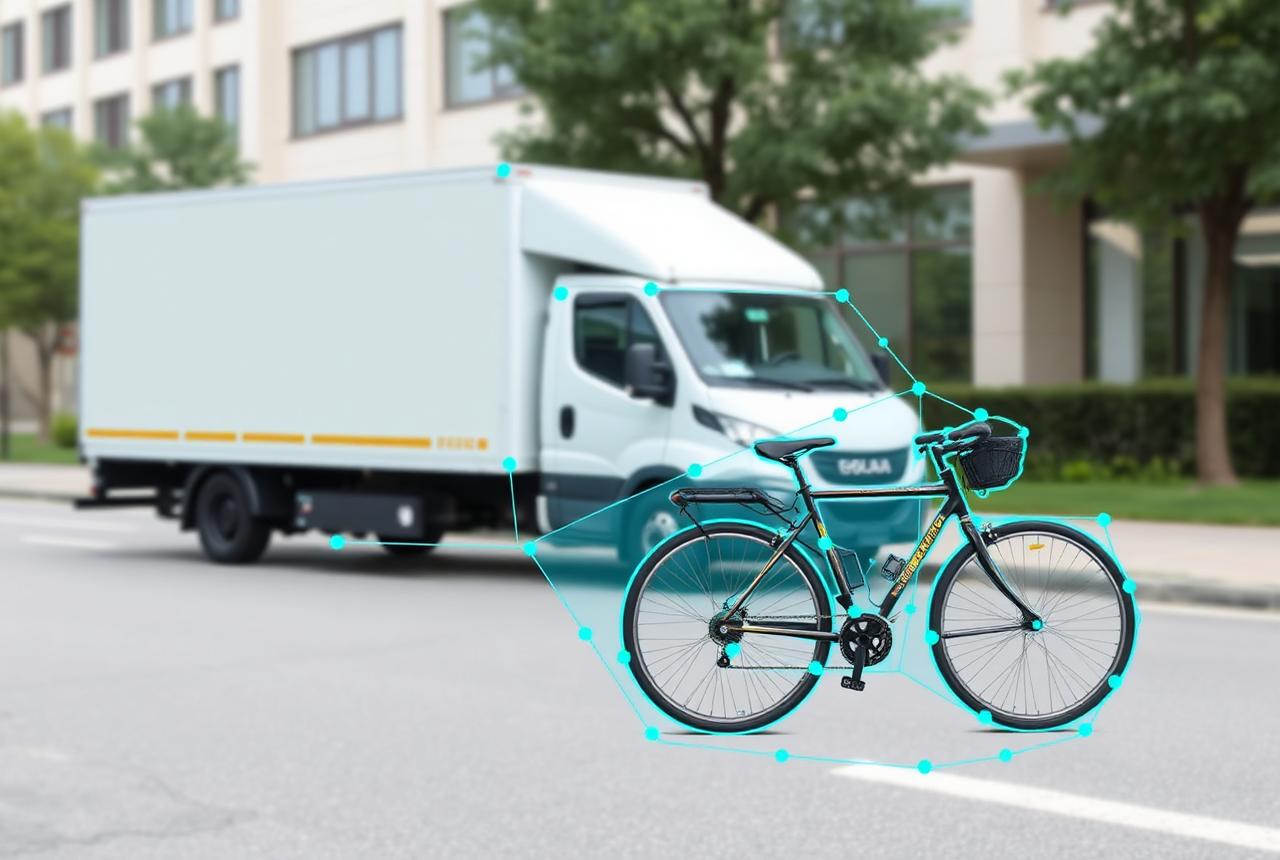
Polygon annotation traces the true shape of an object vertex by vertex. It removes the background noise that a bounding box drags into training, which is the difference between a model that recognises a bicycle and one that recognises the pavement behind it.
- Starting at
- $0.09 / polygon
- Turnaround
- 24–72 hours
- Quality
- ±1 px contour tolerance
Human-labelled
Reviewed twice before delivery
Your boxes contain more background than object
Bikes, machinery, cables, tree canopies and overlapping produce fill a rectangle with everything except the thing you care about. The model learns context instead of shape.
We trace contours at full zoom with a controlled vertex budget — enough points to follow the shape, few enough to keep files light and training fast.
Send us a sample batchWhat is polygon annotation?
A polygon is a closed sequence of vertices that follows an object's outline exactly, including concave regions and internal holes.
It is the right tool for instance segmentation, for objects with irregular silhouettes, and for any scene where two objects of the same class touch and must stay separable.
Where it's used
Built for real production pipelines
Instance segmentation datasets
Separate touching instances of the same class cleanly.
Agriculture & crop science
Leaf, fruit and weed outlines for yield and disease models.
Medical & lab imaging
Non-diagnostic region outlining under strict protocol.
Insurance & damage assessment
Dent, crack and water-damage regions traced precisely.
Sample work
Raw frame in, training-ready labels out
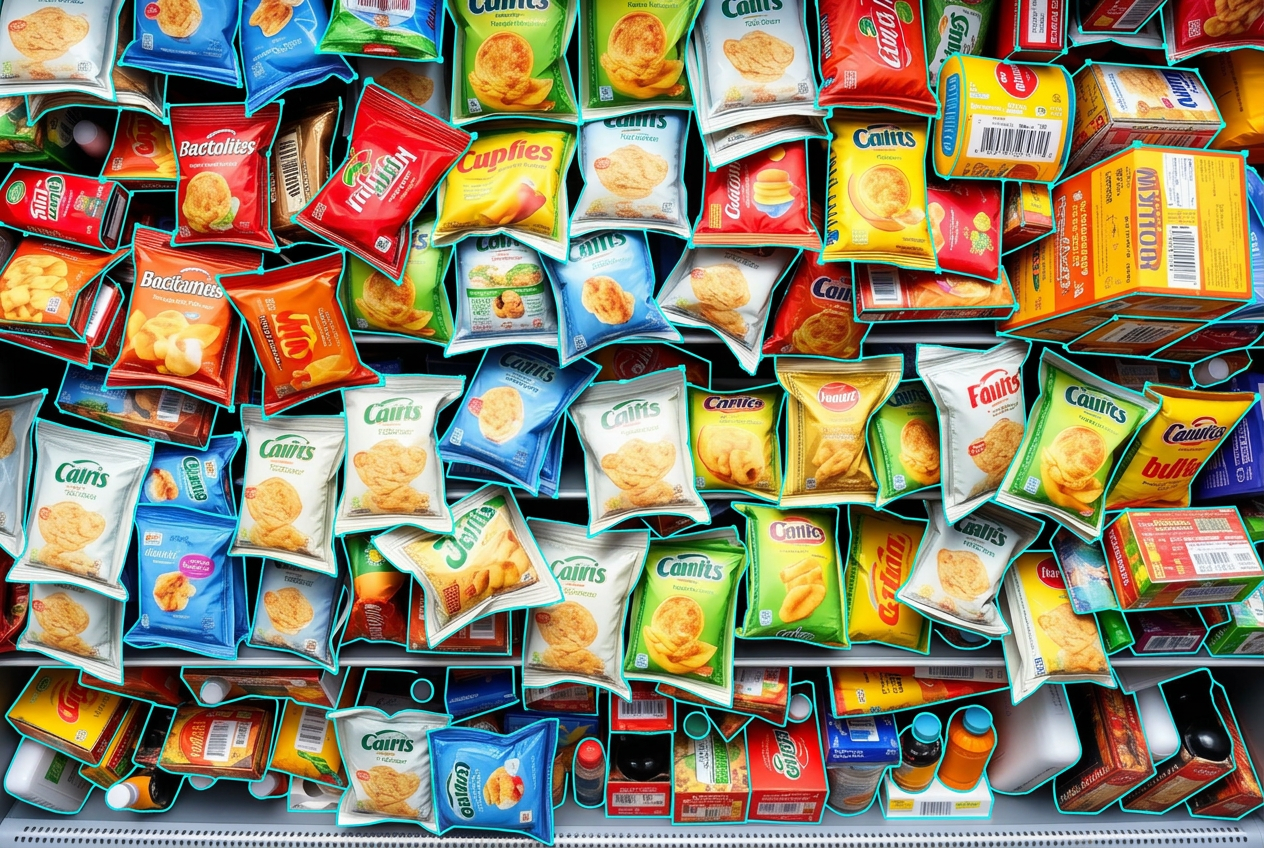
Real polygon annotation output from client pilots. Drag the handle on any example to compare the source frame with what we deliver.
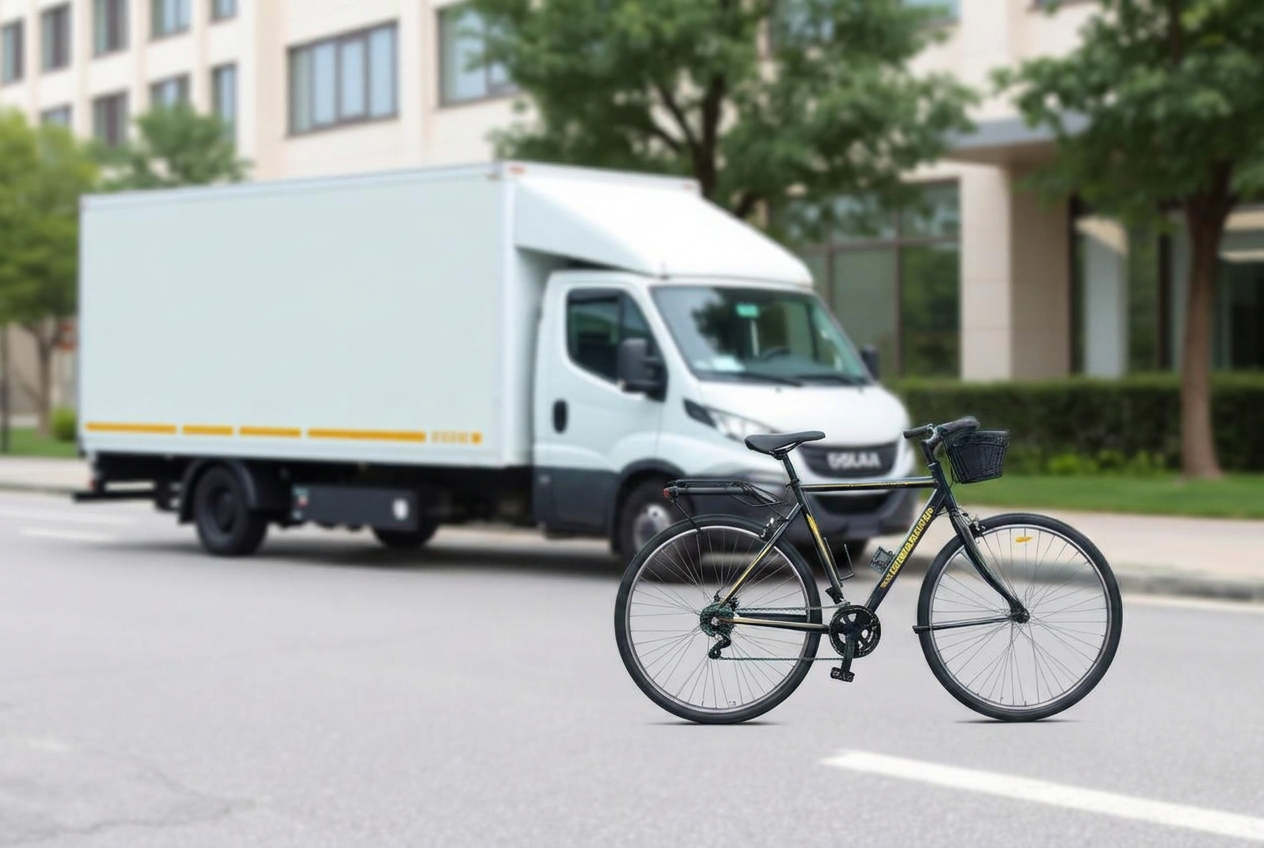 Before
Mixed road users
A bicycle traced vertex by vertex so the frame and wheels are captured without dragging in road texture — the background noise a bounding box would have included.
±1 px contour · 42 vertices avg · YOLO-seg export
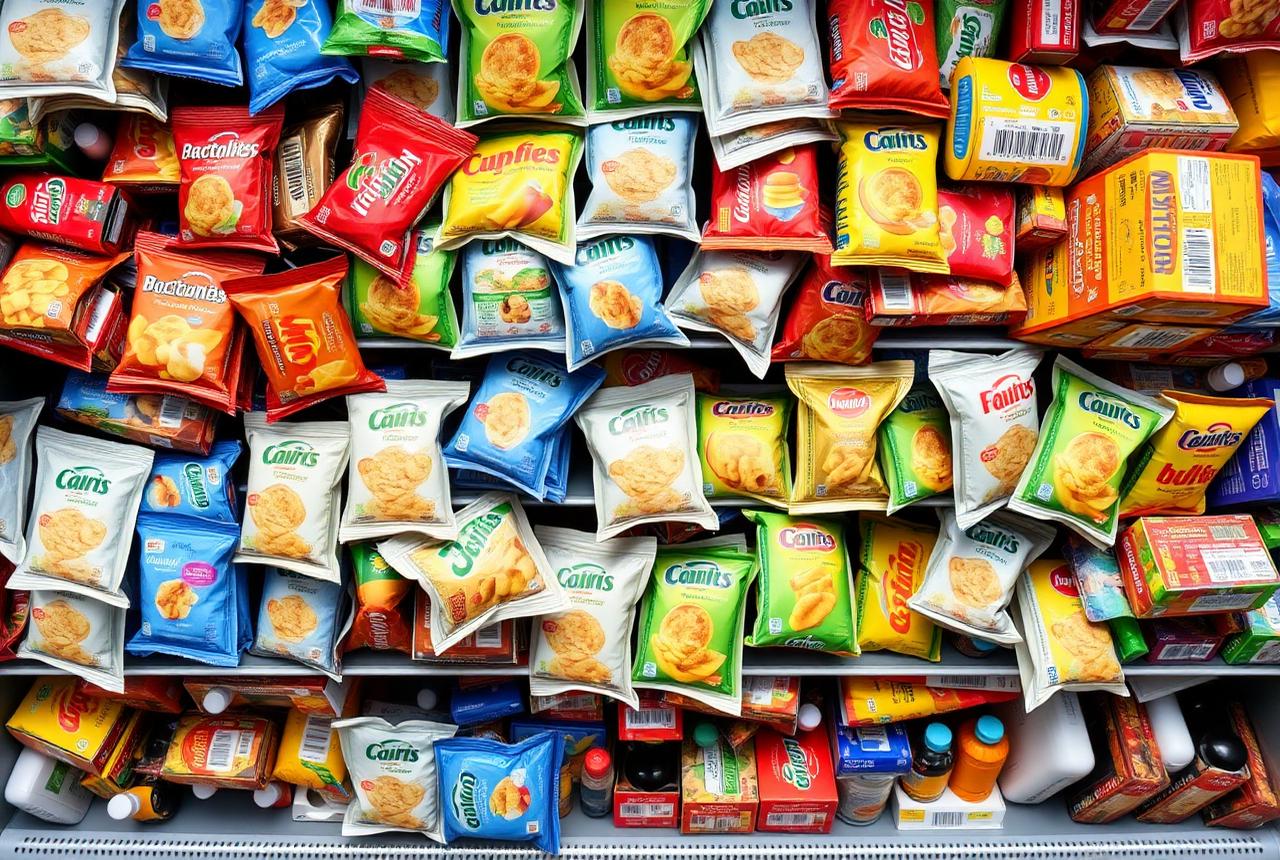 Before
Retail shelf recognition
Overlapping snack packets outlined individually, including partially hidden items, so planogram compliance models can count SKUs on a crowded shelf.
310 SKUs/frame · occlusion attributes · COCO
Samples are representative of delivered work; client-identifying frames are replaced under NDA.
How we work
A spec, a pilot, then volume — in that order
Most labelling projects fail on ambiguity, not effort. We remove the ambiguity first, prove it on a pilot, and only then scale throughput.
Start with a free pilot- 1
Define the contour rule
How tight is tight? We agree a pixel tolerance and vertex budget up front.
- 2
Pilot batch
50 images annotated and reviewed with you before scale-up.
- 3
Annotate & review
Every polygon passes a second specialist who checks drift and self-intersections.
- 4
Export
Delivered in the mask or polygon format your training code already reads.
Quality control
- Vertex-density audit
- Boundary-drift review at 400% zoom
- Overlap & self-intersection validation
- Per-class sample review
What you receive
- COCO segmentation JSON
- GeoJSON
- Binary masks (PNG)
- SVG contours
Tools we work in
- CVAT
- Label Studio
- SuperAnnotate
- Custom pipelines
This is for you if…
Teams upgrading from detection to segmentation
Datasets with irregular, overlapping or deformable objects
Anyone whose bounding-box model plateaued on cluttered scenes
Every project runs under NDA with access-controlled workstations. Data is deleted on request after delivery.
Why teams switch
You have three options. Only one of them scales.
Hire in-house
- 6–10 weeks to recruit and train
- Fixed salary cost at variable volume
- QA falls on your ML engineers
Random freelancers
- Every batch looks slightly different
- No written spec, no review pass
- Disappear mid-project
Genius Clipping Path
- Dedicated pod trained on your written spec
- Two-pass QA on every single batch
- Pay per unit — scale up or pause anytime
Simple commercials
Pick the engagement that fits your stage
Pilot
Free
Up to 50 items annotated to your spec so you can benchmark quality before spending anything.
Pay per unit
$0.09 / polygon
Send batches whenever you need them. No minimums, no retainers, invoiced monthly.
Dedicated pod
Monthly
A fixed team reserved for your queue with guaranteed daily throughput and a named QA lead.
Not sure which fits? Tell us the dataset size below and we'll recommend the cheapest option that hits your deadline — even if that's the free pilot only.
Talk to us
Get a polygon annotation quote — and a free pilot with it
Send your label spec and dataset size. You'll get a per-unit price, a realistic delivery date, and 50 annotated samples so you can judge quality before committing a cent.
- A real annotation specialist replies — not a sales bot
- Free 50-item pilot annotated to your written spec
- NDA signed before we touch your data
- No minimum volume and no lock-in contract
Prefer email? Write to support@geniusclippingpath.com and attach a few sample frames.
Before you get in touch
Polygon Annotation FAQs
Pricing, guidelines, security, rework and export formats — the answers teams usually ask for on the first call.
How many vertices per object?+
Enough to hold the shape within the agreed tolerance — usually 20–120 for a vehicle, more for organic shapes. We never pad vertex counts to inflate a bill.
Can you convert existing boxes into polygons?+
Yes. We use your existing boxes as a starting frame and re-trace the contour, which is faster and cheaper than starting from raw images.
Do you handle holes and concave shapes?+
Yes — internal holes, donut shapes and concave regions are all supported and exported correctly in COCO RLE or mask form.
Can we run a free pilot before committing?+
Yes. Send 50–100 representative images and we label them free against your guideline draft, usually within 24 hours, so you can measure quality on your own data before any invoice.
How do you handle our annotation guidelines?+
You can send an existing spec or start from a call. We turn it into a written guideline with edge-case examples, get your sign-off, and every annotator is trained and tested against it.
What happens if labels come back wrong?+
Rework is free. Flag the batch within 7 days of delivery, we correct the affected items and update the guideline so the same error class does not repeat.
How do you keep our data secure?+
NDAs on request, access-controlled workstations, no personal devices or external storage, project-scoped access per annotator, and permanent deletion after delivery when you ask for it.
Which export formats do you deliver?+
COCO JSON, YOLO txt, Pascal VOC XML, KITTI, CSV, or masks as PNG. If you use a custom schema or a platform like Labelbox, CVAT, or V7, we deliver straight into it.
How fast can you scale up?+
A dedicated pod starts at 3 annotators and scales to 100+ within about a week, with a QA lead assigned to your project throughout so quality holds as volume grows.
How does billing work?+
Pay per unit with volume tiers, or a fixed monthly dedicated-pod rate. You get an itemised invoice per batch, no setup fee, and no minimum contract on pay-per-unit work.
Still unsure? Ask us anything — we reply within one hour on business days.
Get a quoteOther annotation services
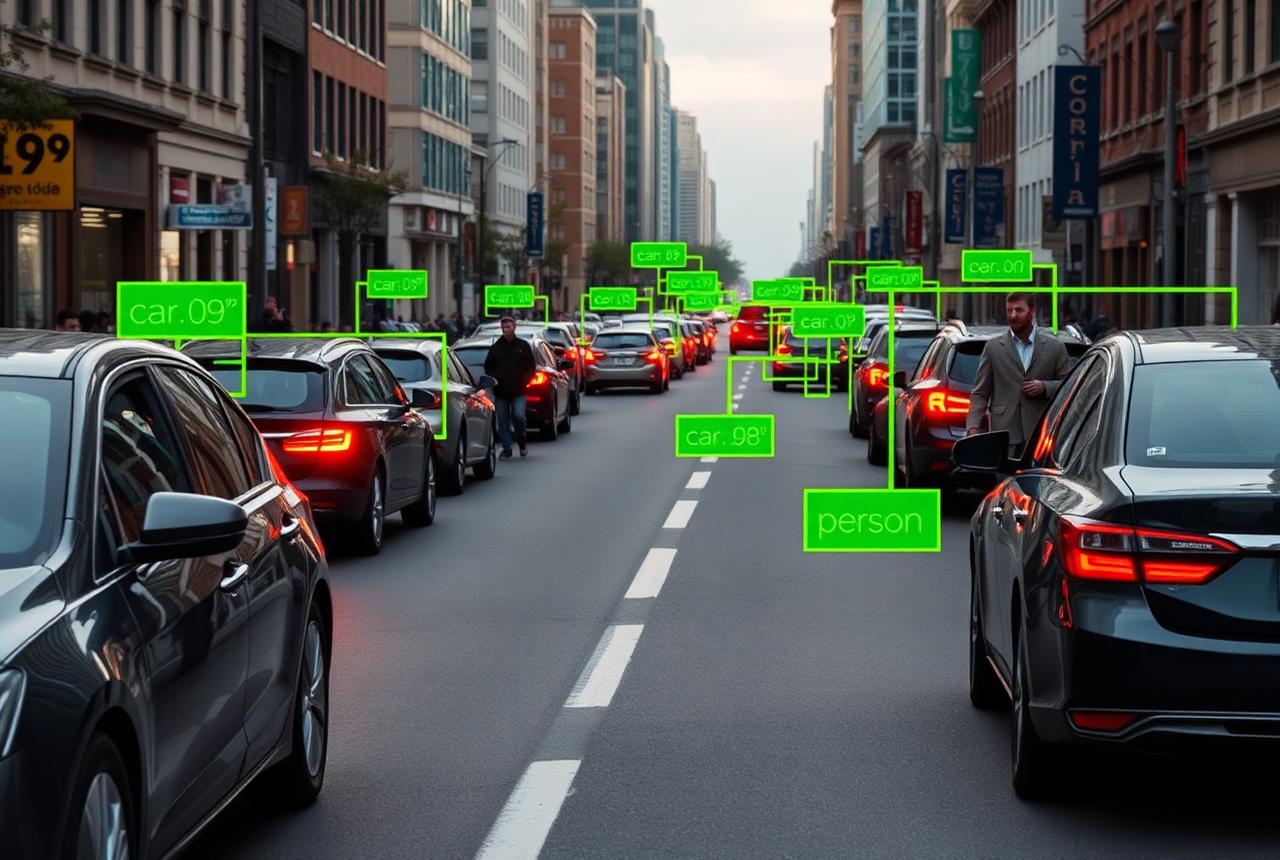
Bounding Box Annotation
2D boxes for fast, reliable object detection training data.

Semantic Segmentation
Pixel-level class labels across the whole scene.

Keypoint & Landmark Annotation
Pose, face and skeleton points placed with precision.

3D Cuboid Annotation
Depth-aware boxes for spatial and autonomy datasets.
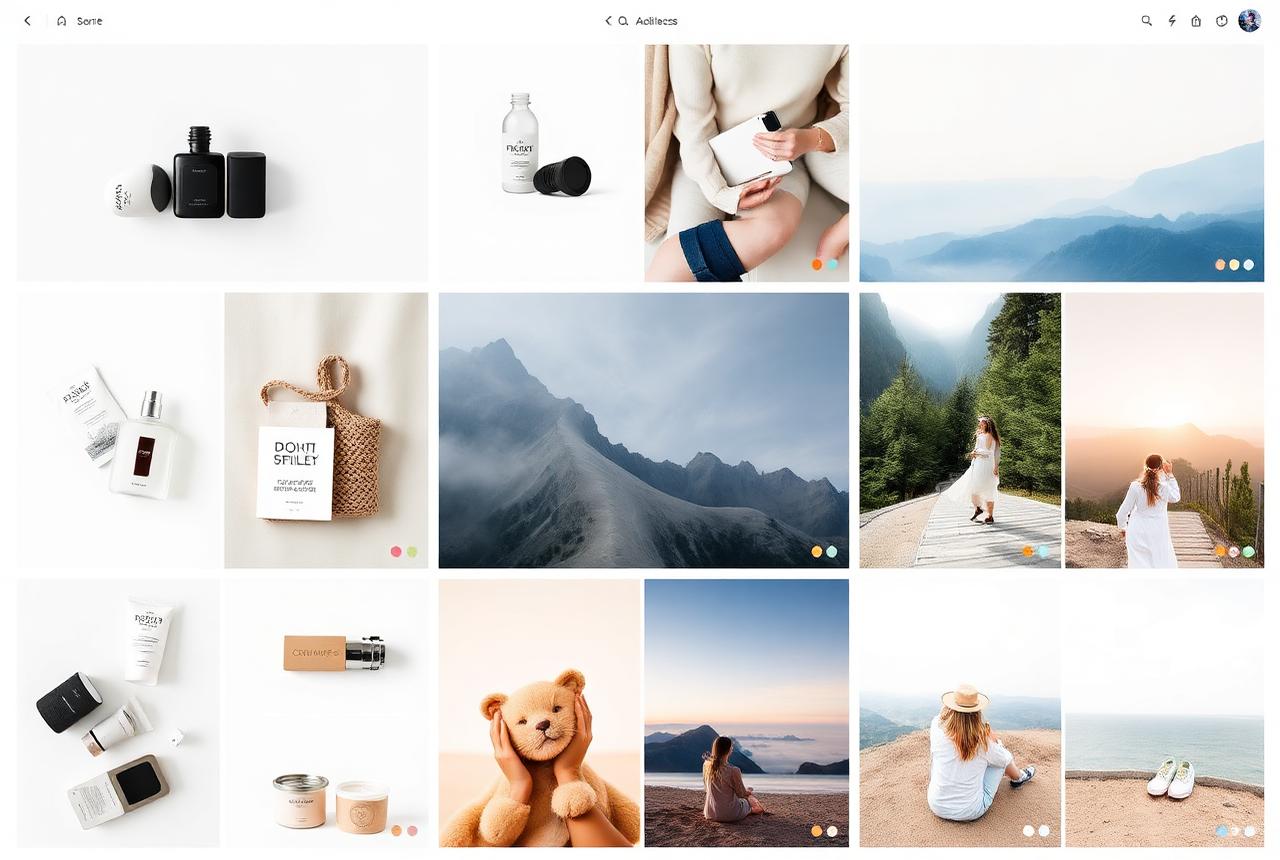
Image Classification & Tagging
Clean taxonomies and consistent tags across huge datasets.
Try polygon annotation on your own data — free
Send 50 sample frames and your label spec. You get a fully annotated, QA-reviewed pilot back within 24 hours. No card, no commitment.