Image Classification & Tagging
Structure for datasets that grew faster than their labels
Classification looks simple until you have two million images and eleven people's idea of what "casual footwear" means. We apply your taxonomy consistently at volume — single-label, multi-label, hierarchical or attribute-rich.
- Starting at
- $0.02 / image
- Turnaround
- 12–48 hours
- Quality
- 99.4% label agreement
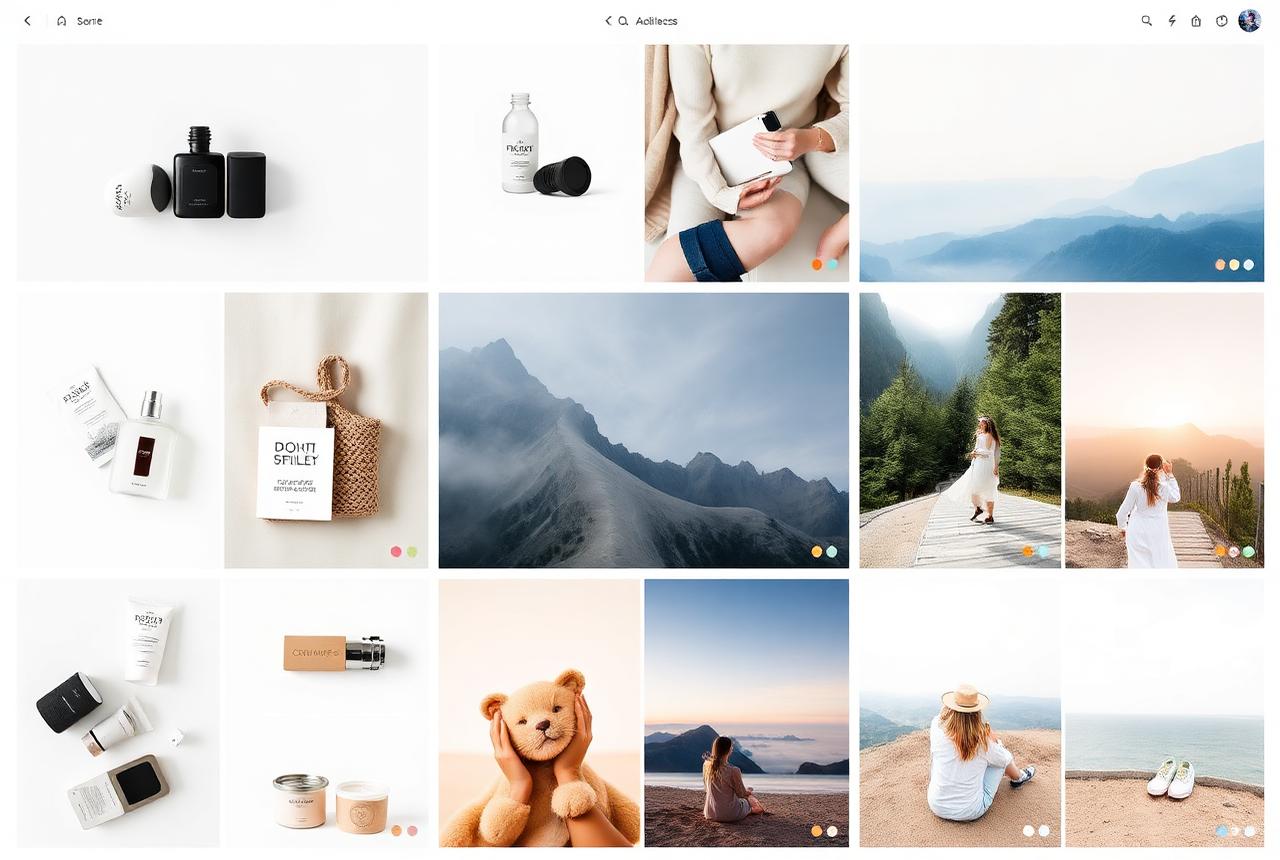
Human-labelled
Reviewed twice before delivery
Your taxonomy is fine. The way it gets applied isn't.
Inconsistent tagging is invisible until search results go sideways, recommendations get weird, or a classifier confidently predicts the wrong category.
We treat the taxonomy as a contract: every ambiguous class gets a written rule and a visual example, and disagreement rates are measured per annotator, every batch.
Send us a sample batchWhat is image classification and tagging?
Classification assigns one or more labels to a whole image rather than to a region — category, style, quality, sentiment, compliance status, or any attribute you define.
Tagging extends that with structured metadata: colour, material, pattern, occasion, defect type. It is what turns an image archive into a searchable, trainable dataset.
Where it's used
Built for real production pipelines
Ecommerce catalog enrichment
Category, colour, material and style attributes for search and filters.
Content moderation datasets
Policy-based labelling with a documented decision tree.
Quality & defect sorting
Pass/fail and defect-type labels for manufacturing lines.
Media & stock archives
Descriptive tagging that makes decades of assets findable.
Sample work
Raw frame in, training-ready labels out
Real image classification & tagging output from client pilots. Drag the handle on any example to compare the source frame with what we deliver.
 Before
Content moderation queue
A mixed image feed tagged against a multi-label taxonomy, with ambiguous frames escalated to a senior reviewer instead of being force-fitted into a class.
Multi-label · 99.4% agreement · CSV + JSON
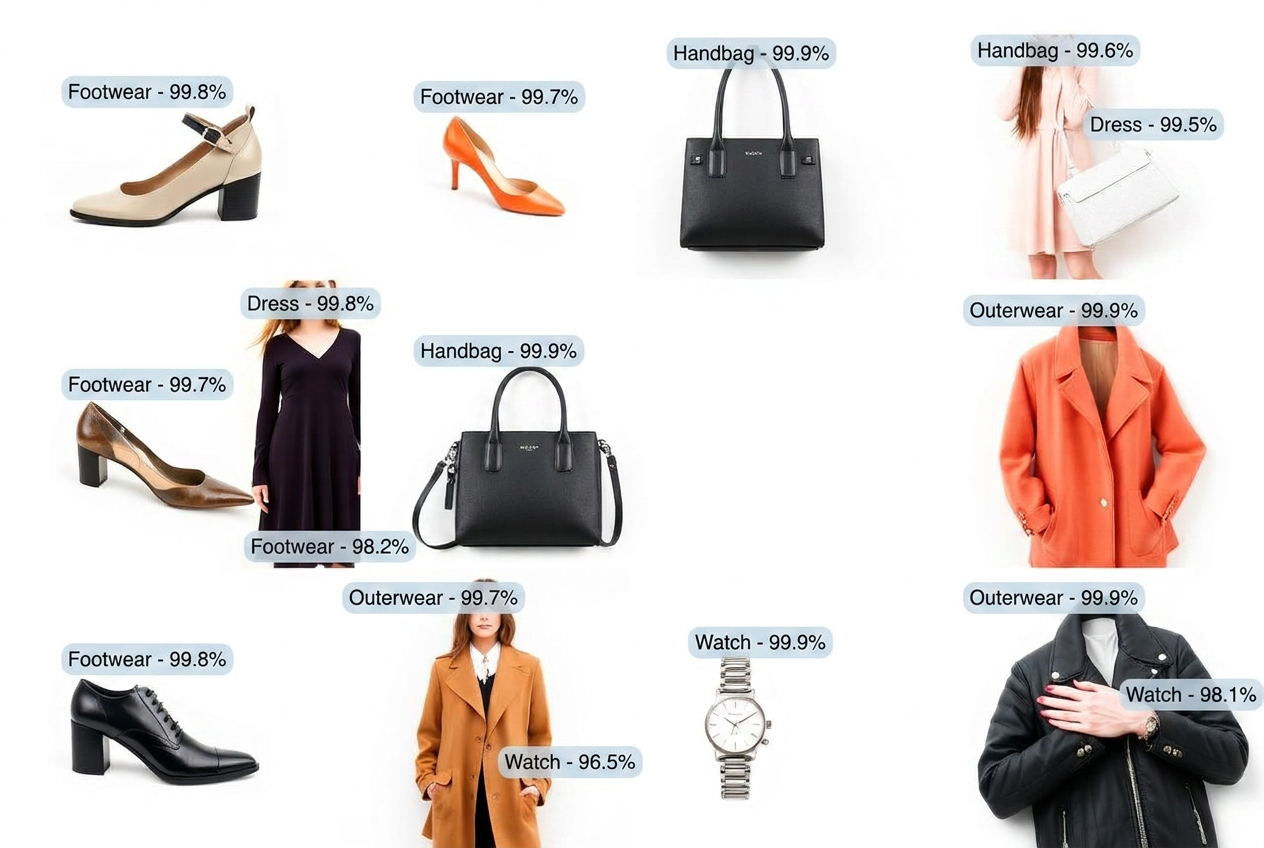
 Before
Ecommerce catalogue tagging
Product photos classified into category and sub-category with confidence recorded, ready to write straight back into a PIM for search and filtering.
180 categories · 50k images/day · PIM write-back
Samples are representative of delivered work; client-identifying frames are replaced under NDA.
How we work
A spec, a pilot, then volume — in that order
Most labelling projects fail on ambiguity, not effort. We remove the ambiguity first, prove it on a pilot, and only then scale throughput.
Start with a free pilot- 1
Taxonomy workshop
We pressure-test your class list against real samples and document every ambiguous case.
- 2
Gold set
A ground-truth set is built and injected into every batch to measure accuracy continuously.
- 3
Volume labelling
Throughput of 50k+ images per day with agreement scoring per annotator.
- 4
Delivery & write-back
Exported as files or written straight into your database or PIM.
Quality control
- Consensus labelling on ambiguous classes
- Per-annotator agreement scoring
- Taxonomy drift monitoring
- Gold-standard set injected each batch
What you receive
- CSV / Parquet label tables
- JSONL with attributes
- Folder-per-class exports
- Confidence & disagreement report
Tools we work in
- Label Studio
- Roboflow
- Custom spreadsheets and APIs
- Direct DB write-back
This is for you if…
Marketplaces and retailers with unstructured catalogs
Teams training classifiers who need clean ground truth fast
Content platforms that need volume with an audit trail
Every project runs under NDA with access-controlled workstations. Data is deleted on request after delivery.
Why teams switch
You have three options. Only one of them scales.
Hire in-house
- 6–10 weeks to recruit and train
- Fixed salary cost at variable volume
- QA falls on your ML engineers
Random freelancers
- Every batch looks slightly different
- No written spec, no review pass
- Disappear mid-project
Genius Clipping Path
- Dedicated pod trained on your written spec
- Two-pass QA on every single batch
- Pay per unit — scale up or pause anytime
Simple commercials
Pick the engagement that fits your stage
Pilot
Free
Up to 50 items annotated to your spec so you can benchmark quality before spending anything.
Pay per unit
$0.02 / image
Send batches whenever you need them. No minimums, no retainers, invoiced monthly.
Dedicated pod
Monthly
A fixed team reserved for your queue with guaranteed daily throughput and a named QA lead.
Not sure which fits? Tell us the dataset size below and we'll recommend the cheapest option that hits your deadline — even if that's the free pilot only.
Talk to us
Get a image classification & tagging quote — and a free pilot with it
Send your label spec and dataset size. You'll get a per-unit price, a realistic delivery date, and 50 annotated samples so you can judge quality before committing a cent.
- A real annotation specialist replies — not a sales bot
- Free 50-item pilot annotated to your written spec
- NDA signed before we touch your data
- No minimum volume and no lock-in contract
Prefer email? Write to support@geniusclippingpath.com and attach a few sample frames.
Before you get in touch
Image Classification & Tagging FAQs
Pricing, guidelines, security, rework and export formats — the answers teams usually ask for on the first call.
Can you label against our existing taxonomy?+
Yes, and we will flag classes that overlap or are impossible to apply consistently — usually the real source of a messy dataset.
Do you support multi-label and hierarchical schemas?+
Yes, including parent-child taxonomies with rules about which combinations are valid.
How do you prove accuracy?+
A gold-standard set is mixed into every batch. You get the measured accuracy and per-annotator agreement with each delivery.
Can we run a free pilot before committing?+
Yes. Send 50–100 representative images and we label them free against your guideline draft, usually within 24 hours, so you can measure quality on your own data before any invoice.
How do you handle our annotation guidelines?+
You can send an existing spec or start from a call. We turn it into a written guideline with edge-case examples, get your sign-off, and every annotator is trained and tested against it.
What happens if labels come back wrong?+
Rework is free. Flag the batch within 7 days of delivery, we correct the affected items and update the guideline so the same error class does not repeat.
How do you keep our data secure?+
NDAs on request, access-controlled workstations, no personal devices or external storage, project-scoped access per annotator, and permanent deletion after delivery when you ask for it.
Which export formats do you deliver?+
COCO JSON, YOLO txt, Pascal VOC XML, KITTI, CSV, or masks as PNG. If you use a custom schema or a platform like Labelbox, CVAT, or V7, we deliver straight into it.
How fast can you scale up?+
A dedicated pod starts at 3 annotators and scales to 100+ within about a week, with a QA lead assigned to your project throughout so quality holds as volume grows.
How does billing work?+
Pay per unit with volume tiers, or a fixed monthly dedicated-pod rate. You get an itemised invoice per batch, no setup fee, and no minimum contract on pay-per-unit work.
Still unsure? Ask us anything — we reply within one hour on business days.
Get a quoteOther annotation services
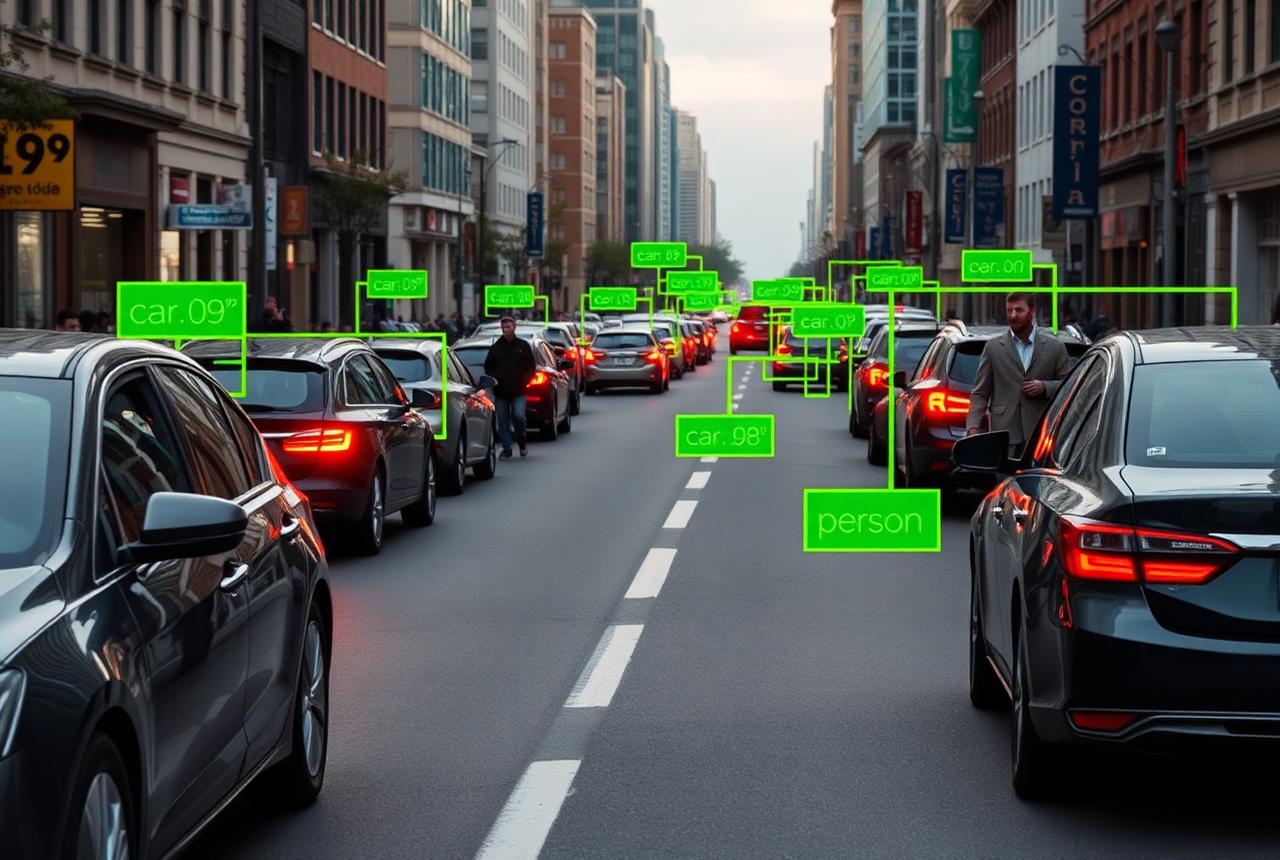
Bounding Box Annotation
2D boxes for fast, reliable object detection training data.

Polygon Annotation
Pixel-tight outlines for irregular, overlapping objects.
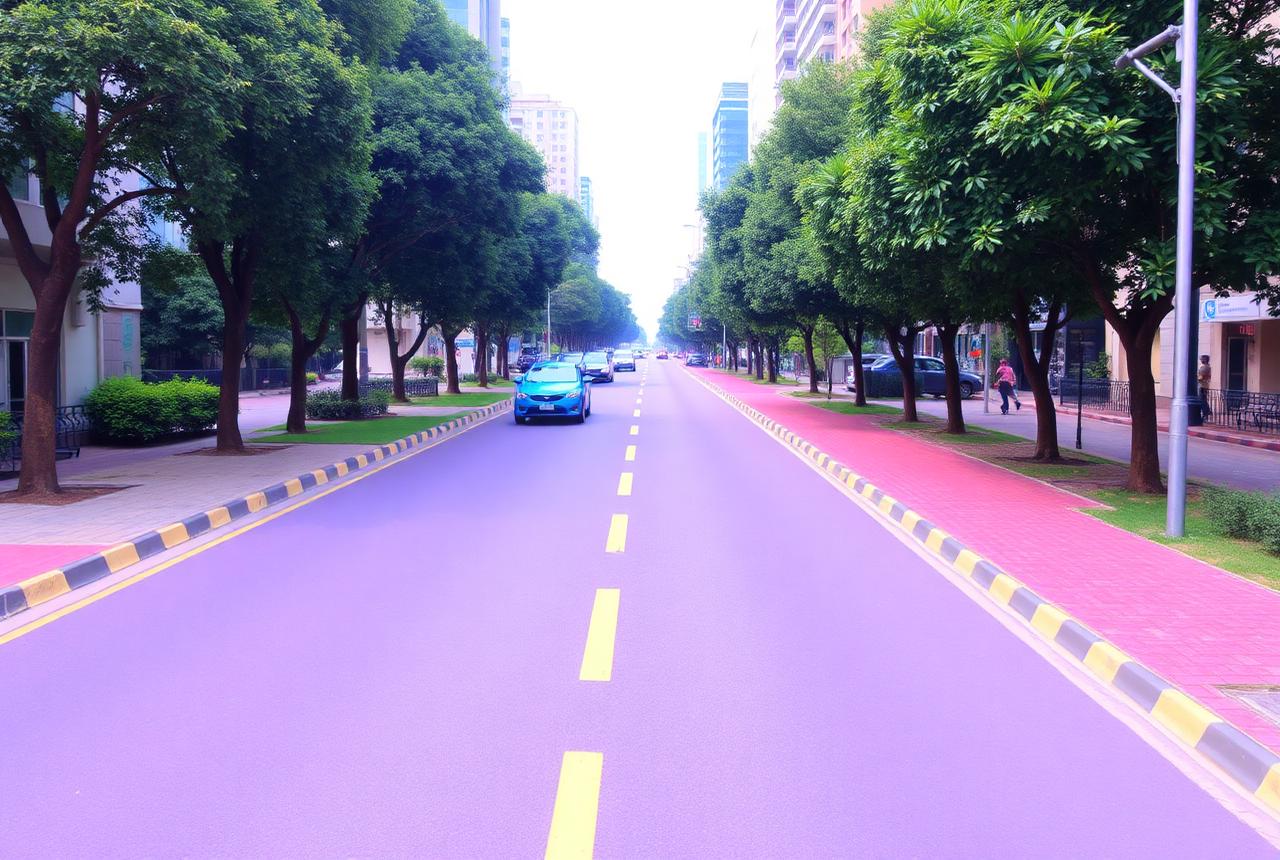
Semantic Segmentation
Pixel-level class labels across the whole scene.

Keypoint & Landmark Annotation
Pose, face and skeleton points placed with precision.

3D Cuboid Annotation
Depth-aware boxes for spatial and autonomy datasets.
Try image classification & tagging on your own data — free
Send 50 sample frames and your label spec. You get a fully annotated, QA-reviewed pilot back within 24 hours. No card, no commitment.